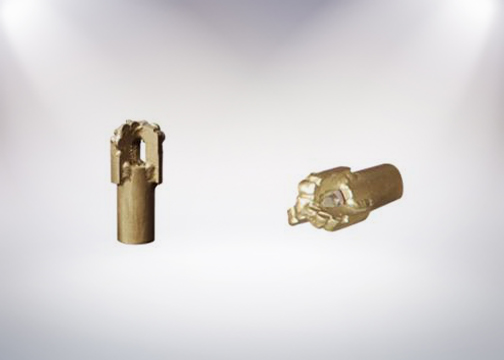
The drill bit is manufactured with multiple pieces of polycrystalline diamond compact (PDC) cutters, featuring high hardness, excellent wear resistance, strong impact resistance and fast drilling speed. With a rational design, its lip scrapes rock evenly and steadily during drilling, while the protruding sections enable rapid positioning, making it suitable for drilling in complex coal-rock formations in goaf areas. Three grout outlets are designed to provide a larger grout flow during grouting and prevent borehole blockage.

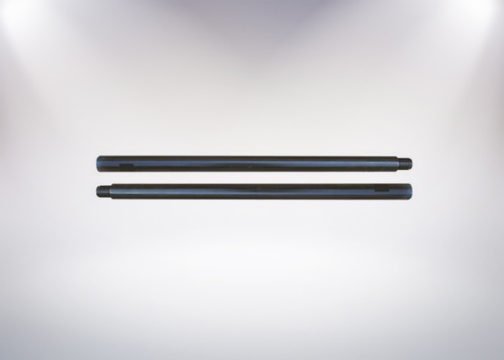
The rod body of the drill pipe is made of high-quality alloy steel pipes and processed through a series of processes. Advanced CNC (Computer Numerical Control) processing equipment is adopted in production, ensuring high production efficiency and stable quality. After the drilling operation is completed, the drill pipe does not need to be removed; it is directly used as a grouting casing. By installing a joint at the tail of the drill pipe and connecting it to the pipeline, grouting operations can be carried out immediately.

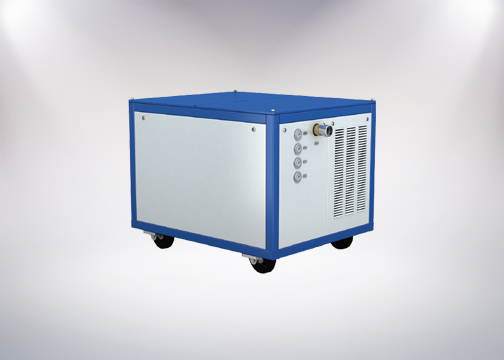
The mine-used foam gel fire prevention and extinguishing device draws in compressed air through the underground compressed air pipeline, injects water via the water injection system, and uses the material injection system to draw Prate A and B materials (hereinafter referred to as Material A and Material B) from their packaging barrels and inject them into the device. Through the foaming and gel-forming device, it completes a series of process flows including water injection, material injection, foaming, and material mixing to generate foam gel, which is then sprayed to the working face through dedicated components.

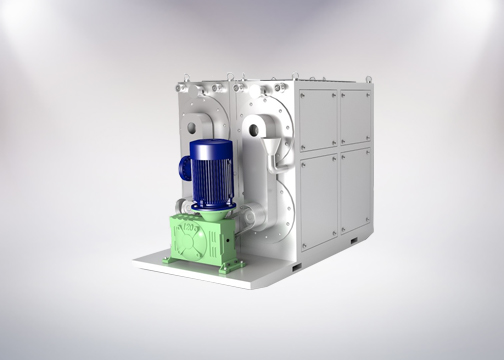
The mining mixer is a dedicated batching equipment for the Prat series of fire prevention and extinguishing technologies. This device is a horizontal twin-shaft ribbon mixer, mainly composed of an explosion-proof motor, a reducer, Solution A mixing tank, Solution A storage tank, Solution B mixing tank, mixing ribbons, a liquid level gauge, and a discharge mechanism. It can be widely used for the preparation of liquid-liquid and liquid-powder mixed slurries of two components under different proportions and concentrations.

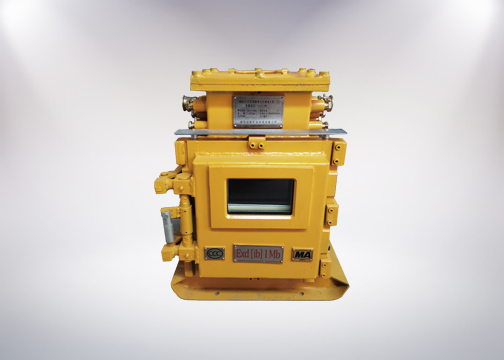
The distributed fiber optic temperature sensing device is a system that monitors temperature distribution and locates heat sources based on the Raman scattering principle and OTDR (Optical Time-Domain Reflectometry) technology. It is mainly applied to fire monitoring in fire-prone areas such as substations, cable tray trenches, conveyor belts, and coal mining working faces. By monitoring and analyzing the trend of ambient temperature and locating high-temperature abnormal points, it realizes the division of fire-risk areas. Combined with industrial Ethernet, it enables real-time data upload and big data statistical analysis.

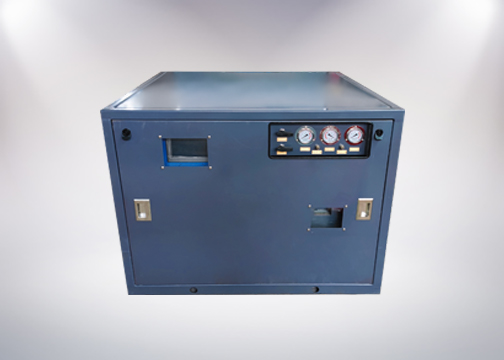
The ZQC6/6 underground bundle tube gas sampling device features two sampling control modes: automatic and manual. It is a high-efficiency control system capable of multi-area cyclic sampling, concentration detection of seven types of gases, as well as real-time data transmission and storage. By being deployed in close proximity to monitoring locations such as working faces, it can effectively shorten the gas transmission distance, preventing gas leakage and contamination that may lead to inaccurate data. Meanwhile, the adoption of on-site analysis and real-time data upload strategies enhances the timeliness of gas detection values. Cooperating with the ground system software, it conducts statistics and analysis on the collected concentration data of fire-indicating gases in underground coal mines, enabling intelligent judgment and early warning of the development degree of coal spontaneous combustion. This allows for early monitoring and prediction of fire conditions, providing a scientific basis for the prediction, prevention and control of various spontaneous combustion fires in underground coal mines.